In this guide
Take stock before choosing a cabinet
Group the items your pantry needs to hold: dry goods, cans, snacks, baking supplies, serving dishes, and small appliances. Measure the largest or most awkward pieces. Their height and depth are more useful than a general estimate of how much storage you need.
Think about where those items are used. Everyday ingredients belong near the preparation area; occasional serving pieces can be stored farther away. Leave a place to set items down as you unpack or cook.
Compare shelves and pullouts
Shelves offer a straightforward home for baskets and containers. Pullouts can help you see items at the back, but their hardware reduces the usable interior and needs room to operate. Check compatibility with the exact cabinet before adding an organizer.
Adjustable shelving is useful when package heights vary. Confirm the shelf arrangement supplied with your selected cabinet, and follow its published load guidance rather than assuming every shelf can carry the same weight.
Check the full door swing
Draw the pantry doors open on your room plan. Check nearby handles, walls, refrigerators, and passageways, including the clearance needed to extend an internal drawer. An opening that is technically possible may still be awkward in daily use.
Tall cabinets also need a practical delivery and installation route. Ask your installer to review ceiling height, soffits, and the space required to move the cabinet into position.
Finish the pantry as part of the room
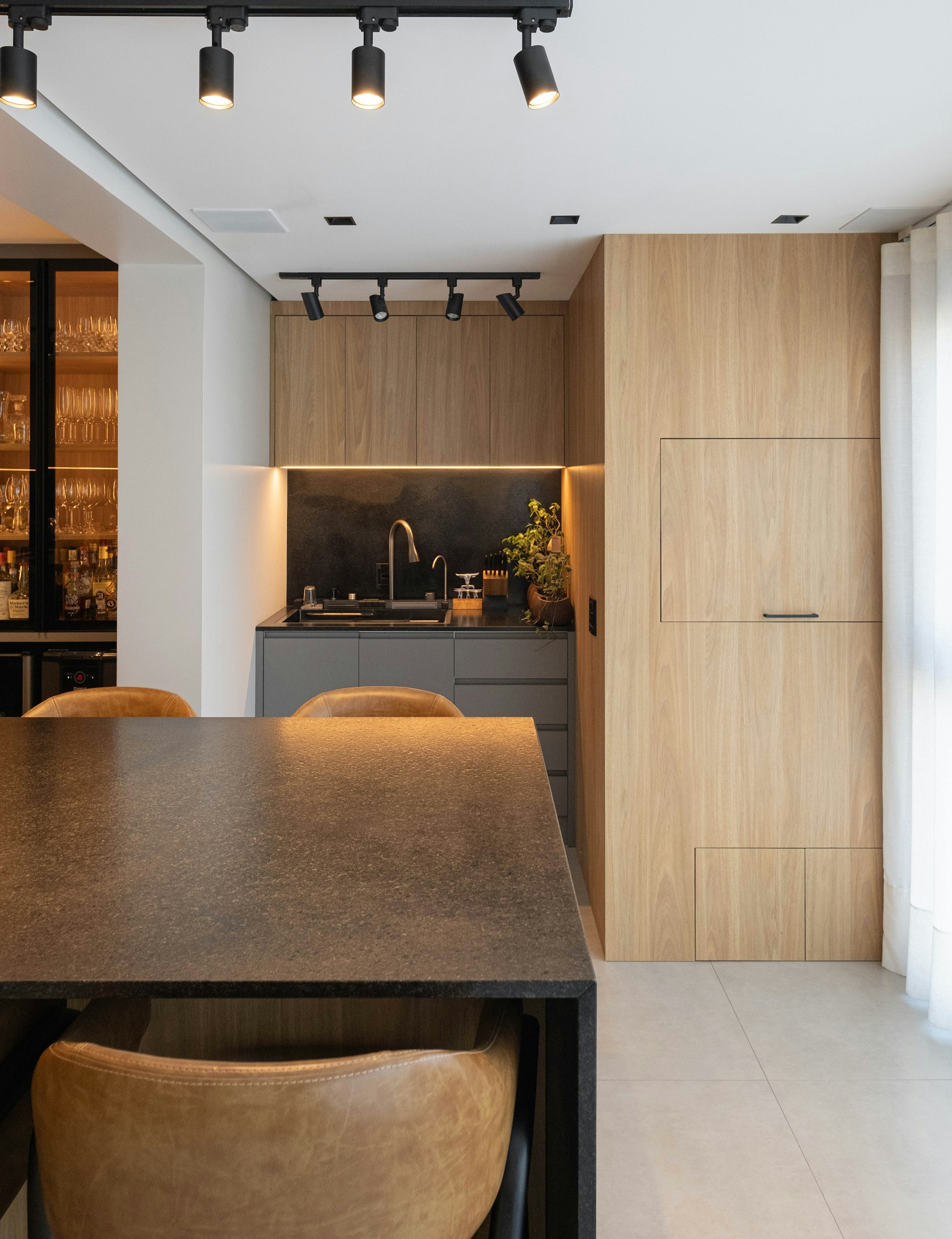
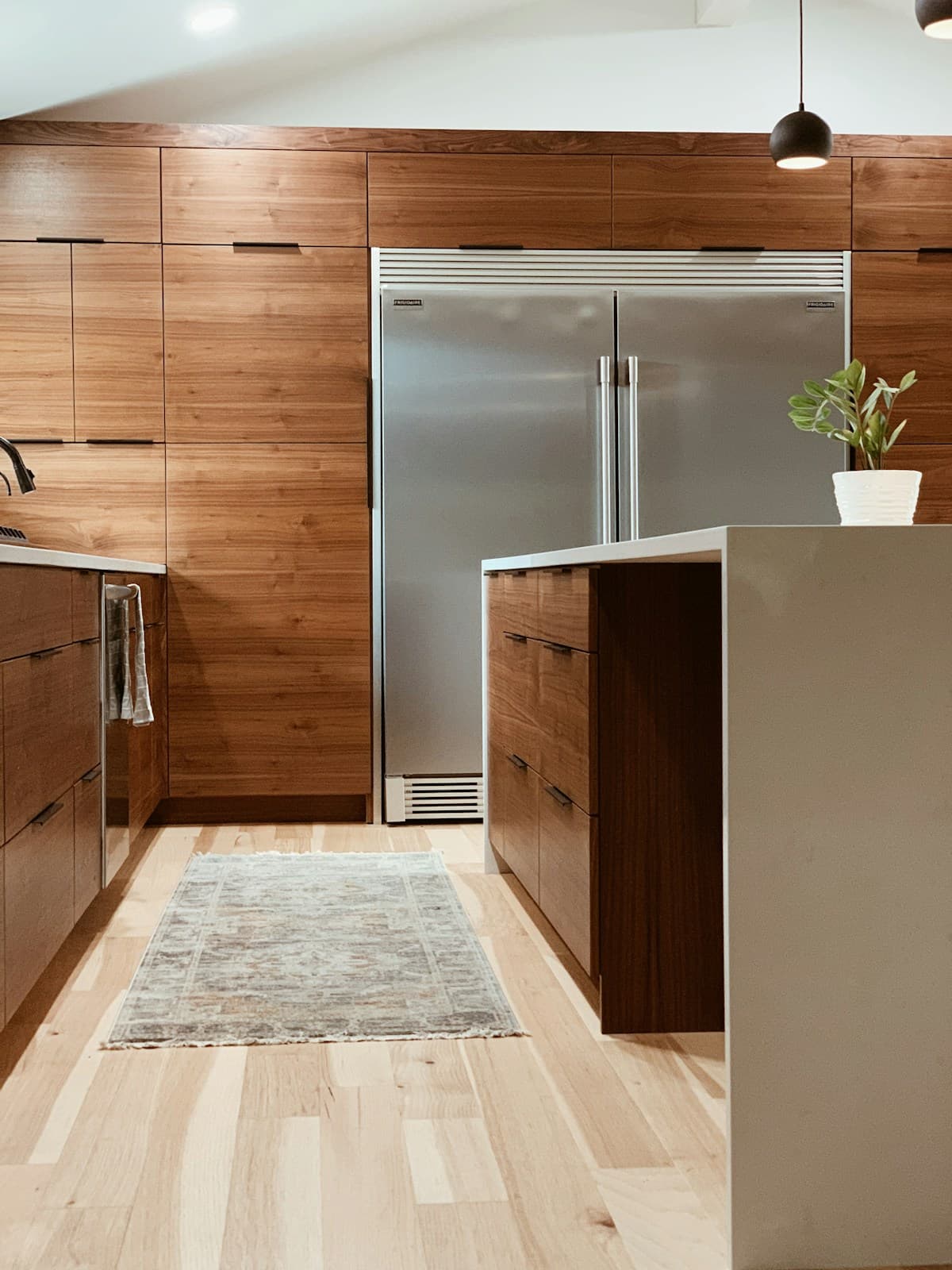
Coordinate visible sides, fillers, and molding with the surrounding cabinetry. If the pantry stands alone, decide how its exposed ends will look from the kitchen and adjoining rooms.
Keep the contents organized by use after installation. A few clearly defined zones make it easier to see what you have and avoid buying duplicates.
Ready to bring your ideas together? Explore the cabinet collection or share your measurements and plans with our team.