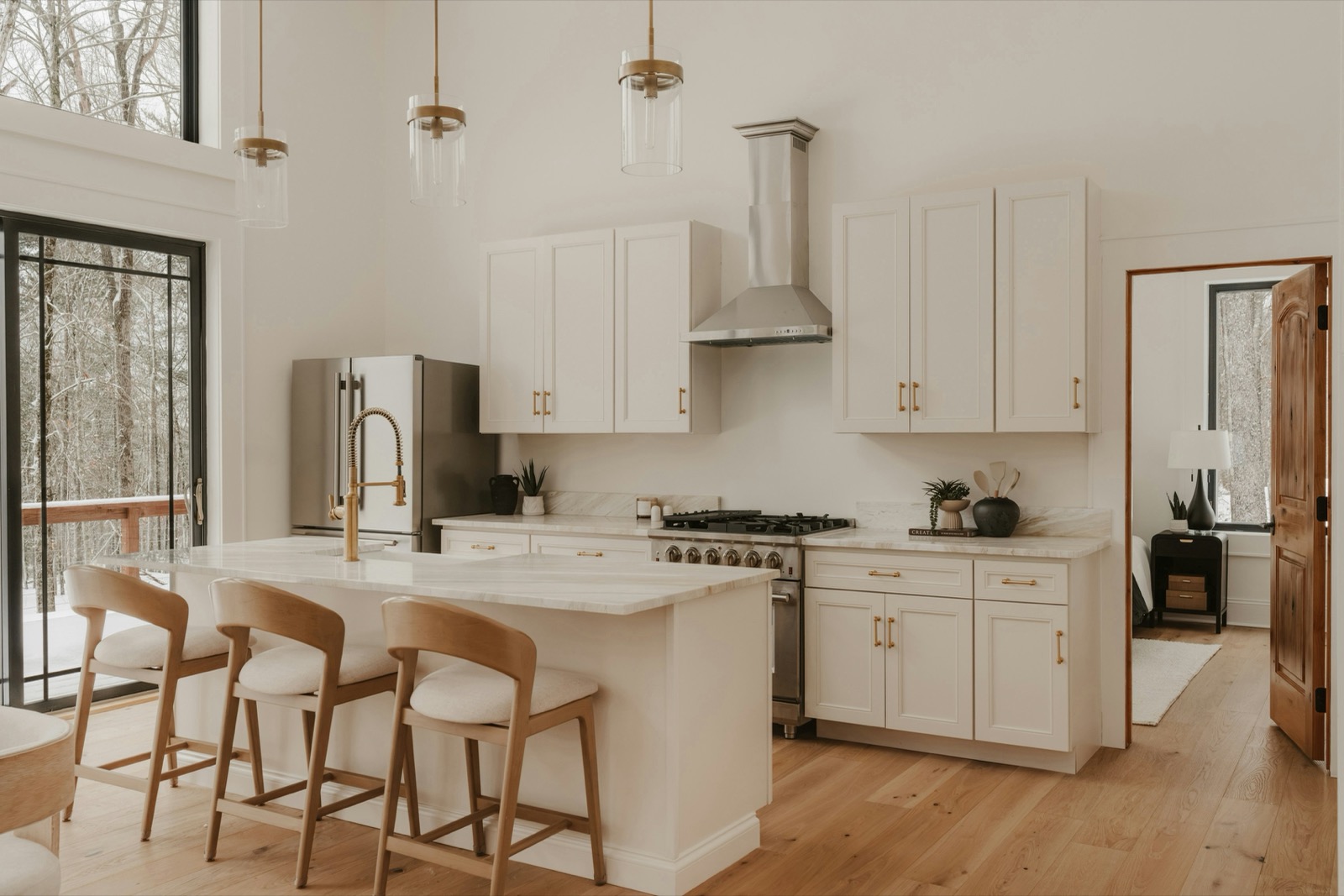
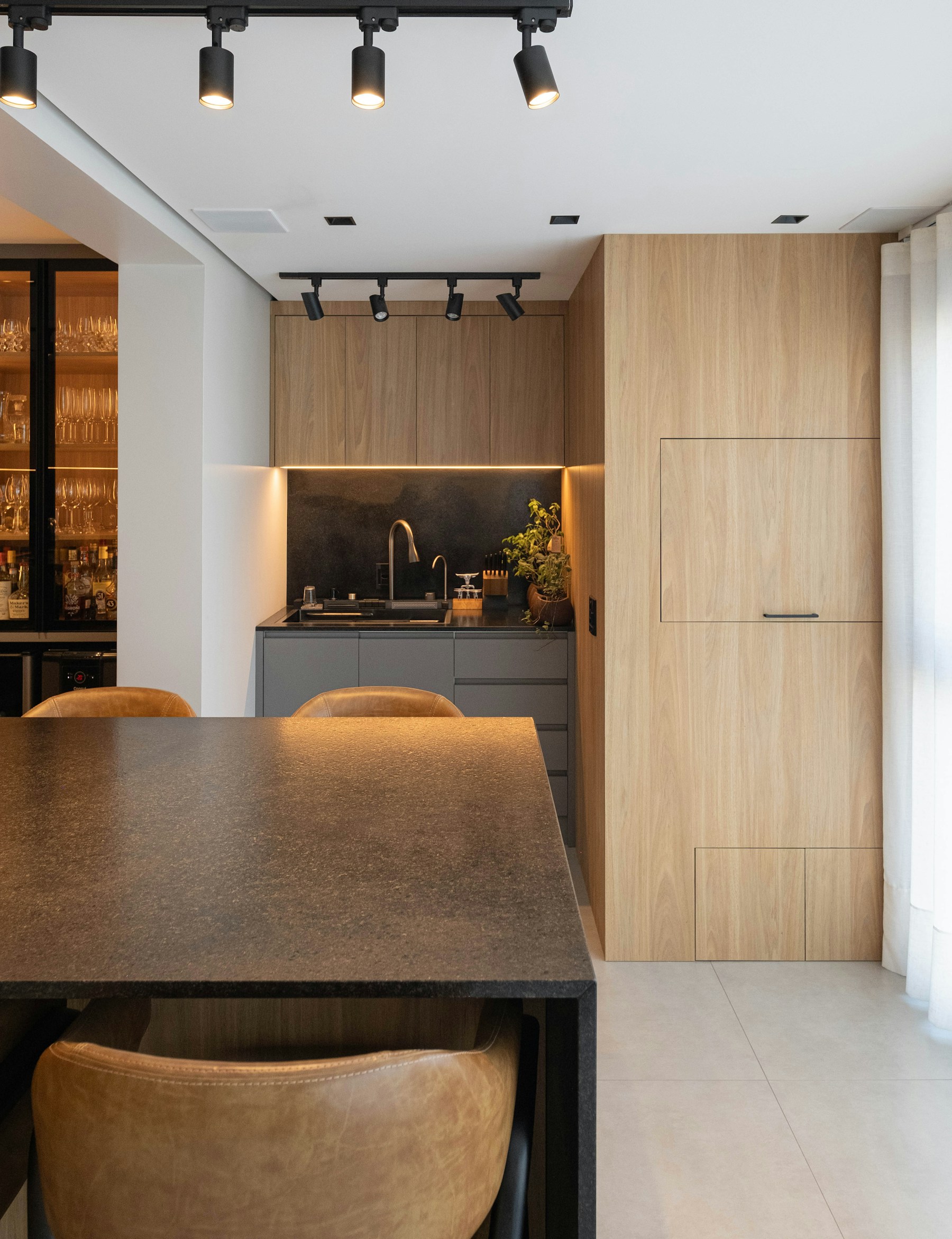
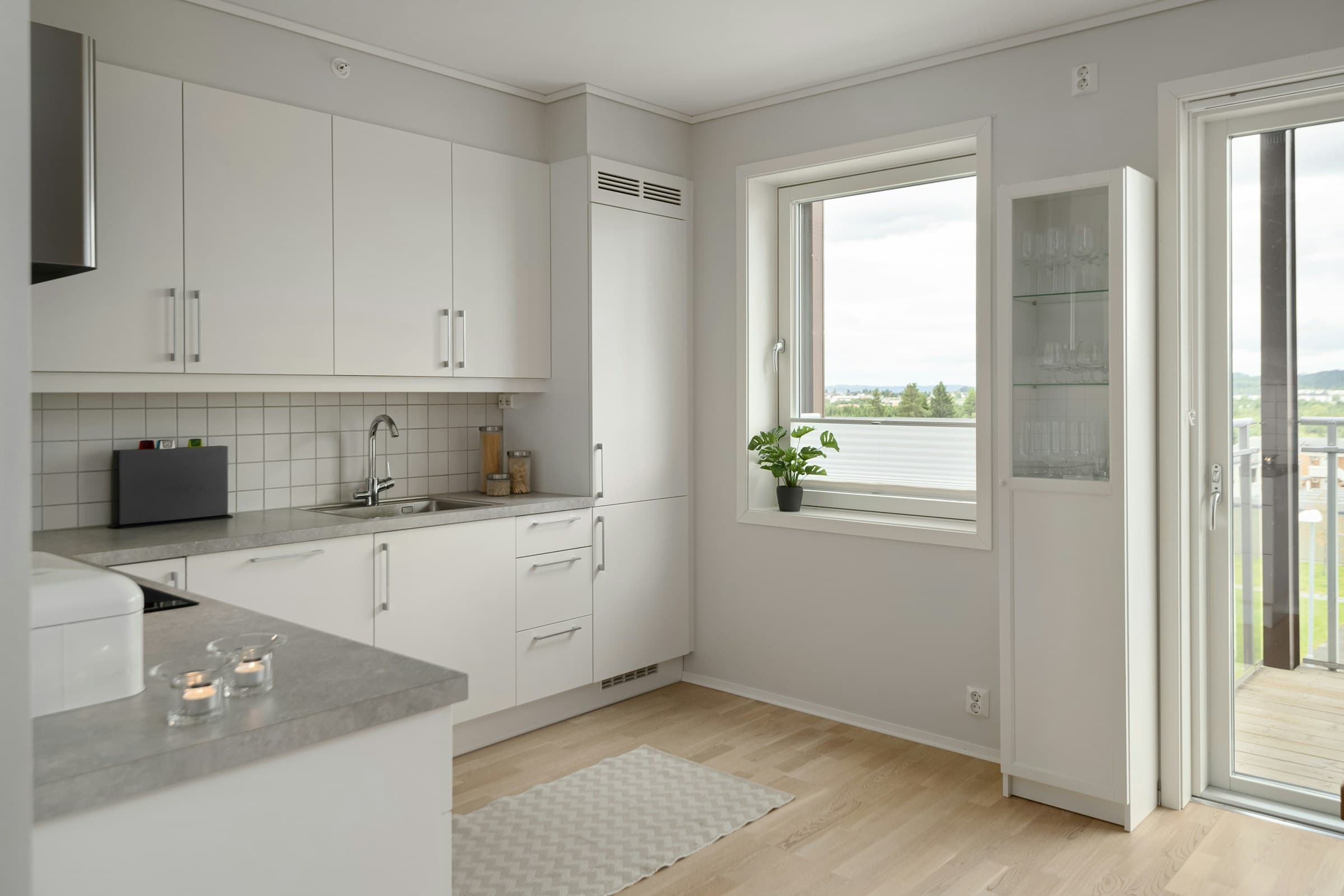
Familiar. Versatile. Enduring.
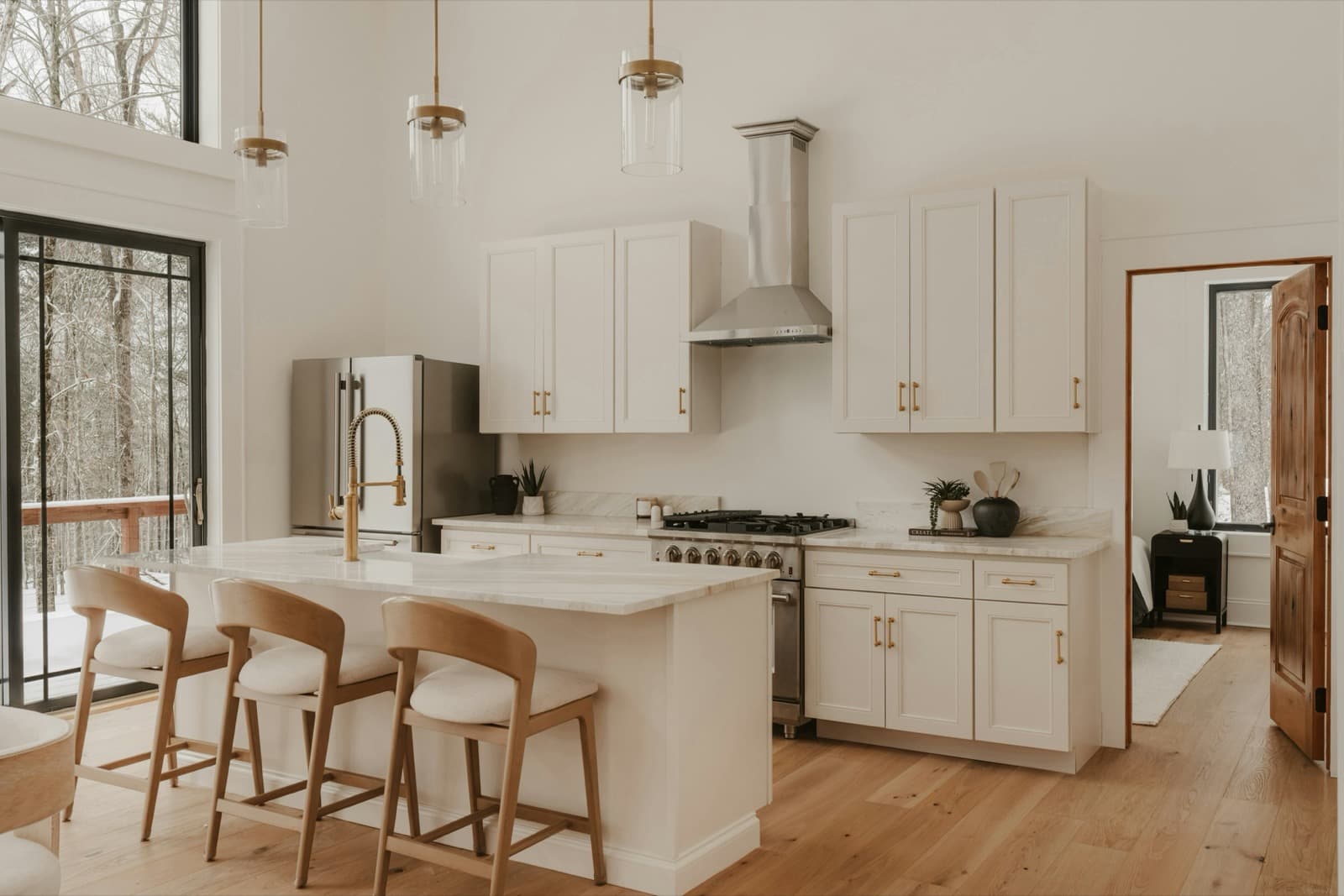
A love for classic lines.
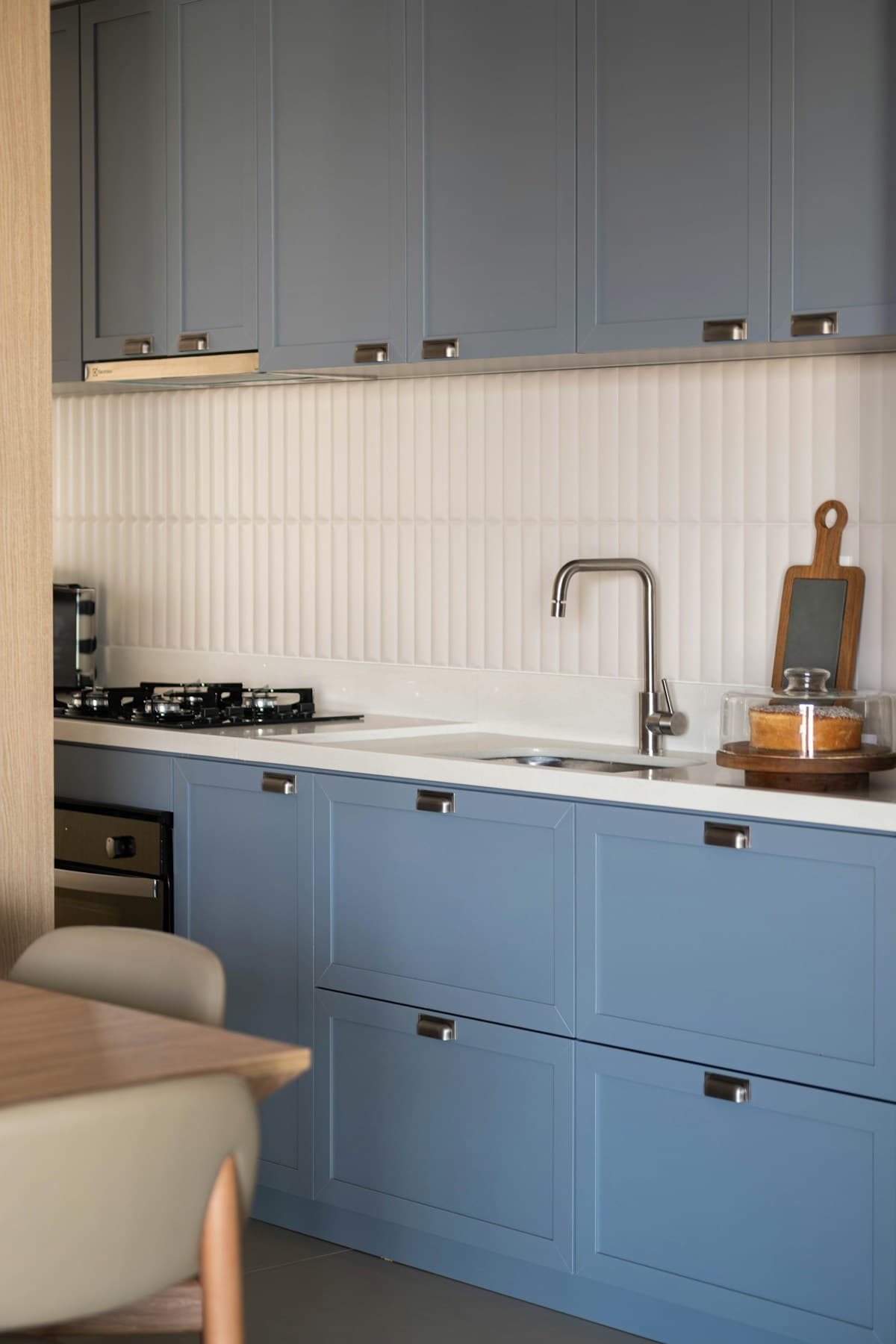
Explore Shaker cabinet doors and the warmth of framed construction.
Explore framed cabinets →Find your everyday favorite
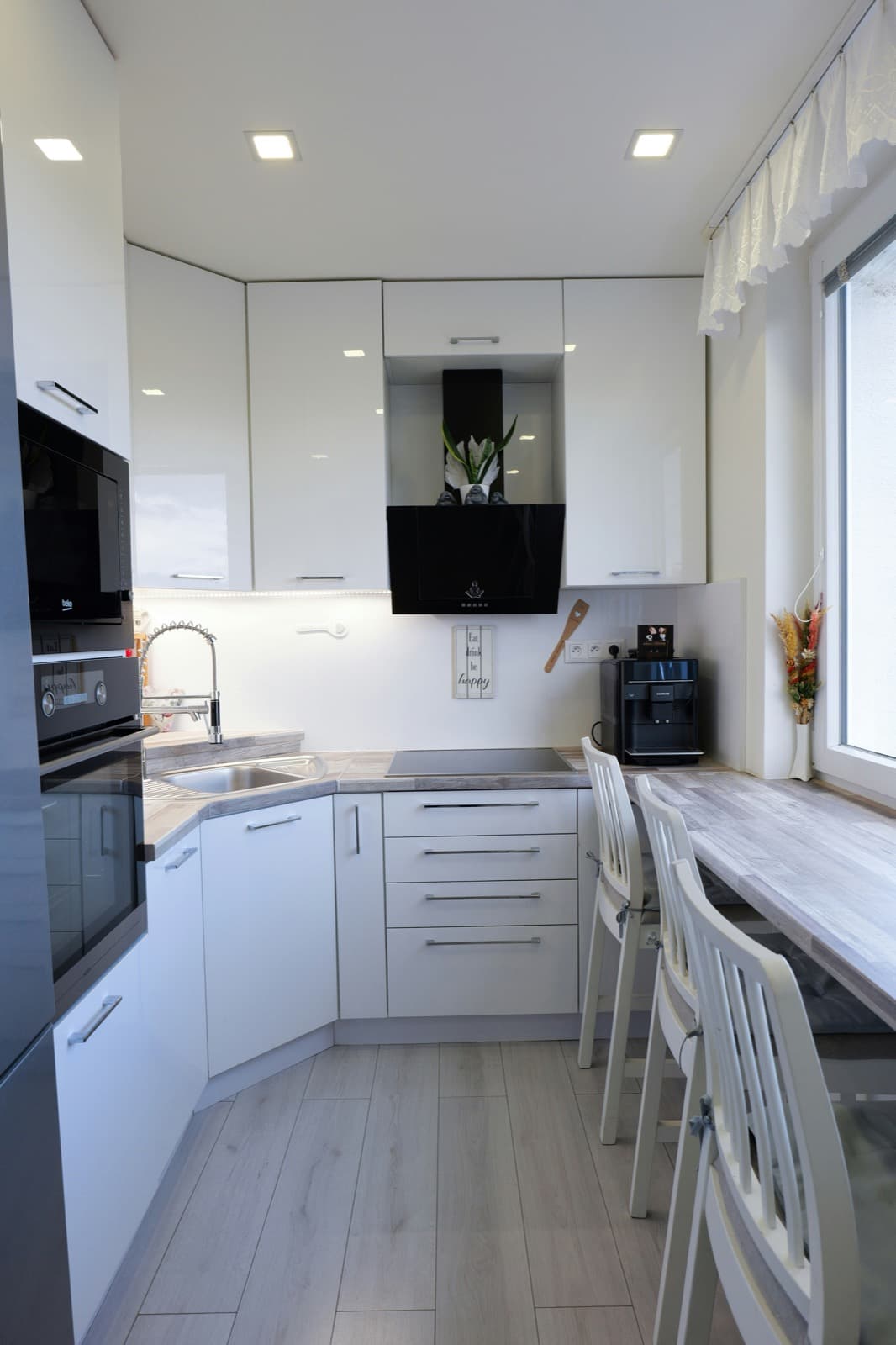
From familiar Shaker lines to smooth, contemporary fronts. Find the look you love, then compare what’s behind the doors.
Compare the cabinet seriesFamiliar. Versatile. Enduring.
Explore Shaker cabinet doors and the warmth of framed construction.
Explore framed cabinets →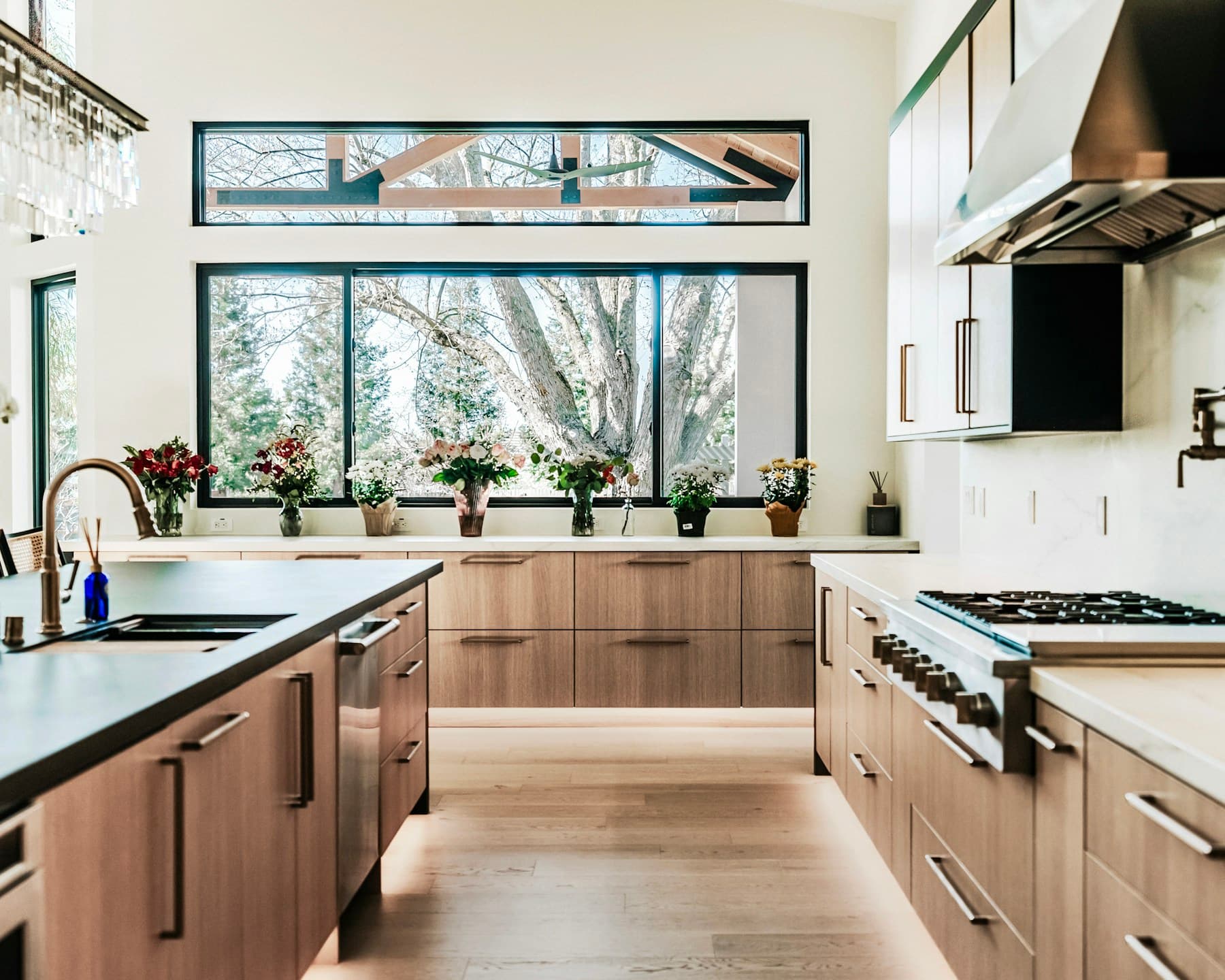
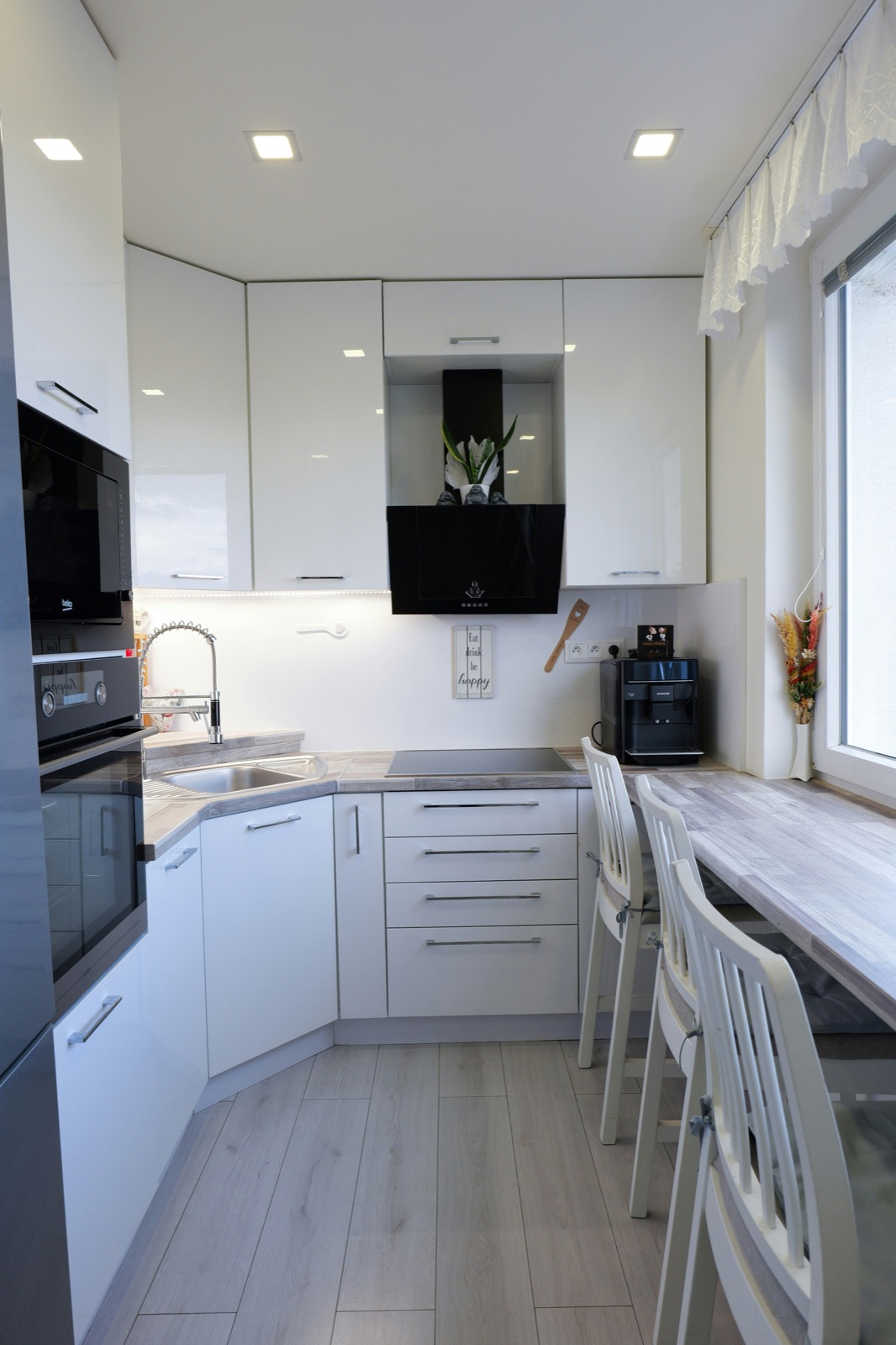
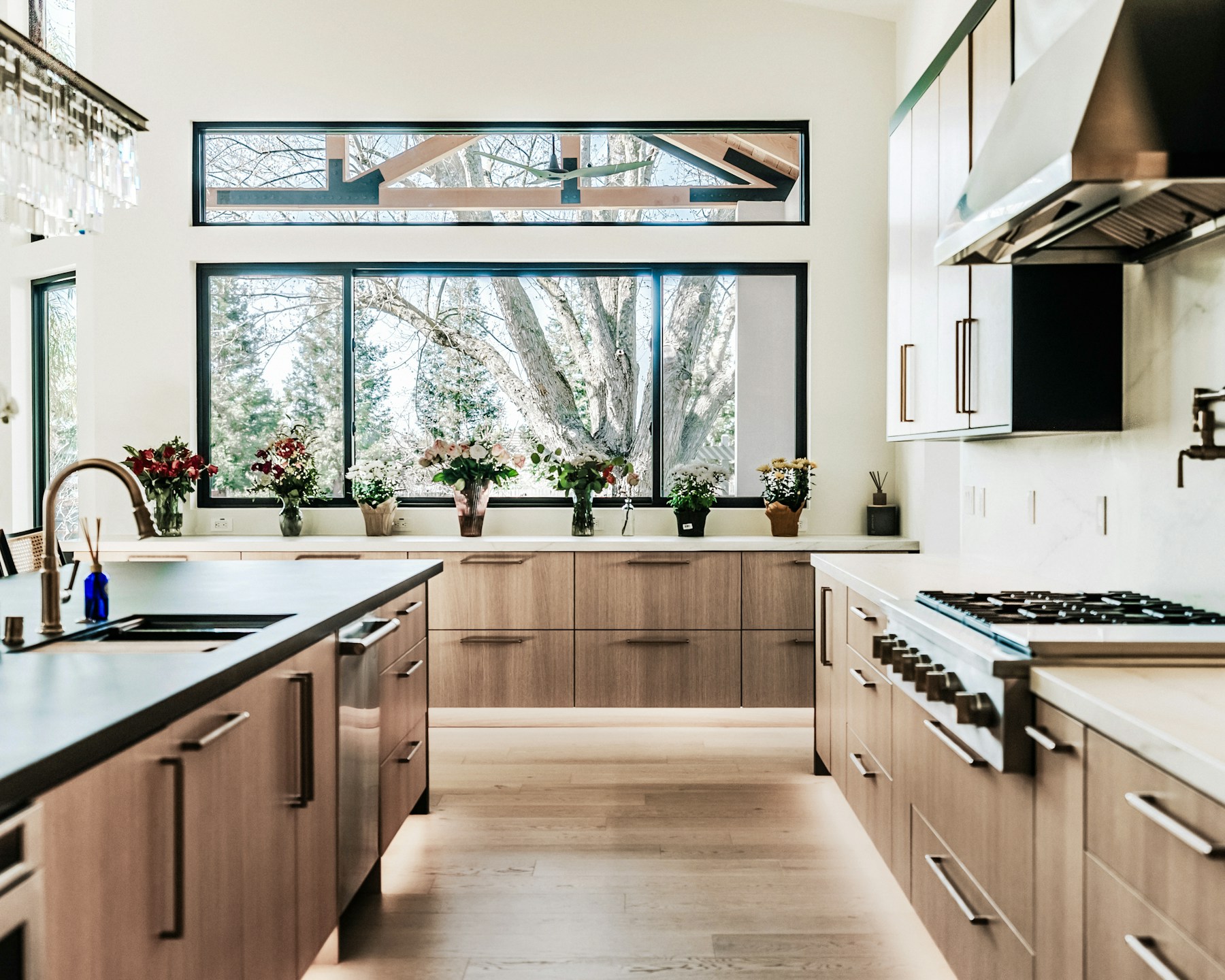
Clean lines. Open possibilities.
Discover frameless cabinets, textured finishes and streamlined fronts.
Explore frameless cabinets →Rooms shown for design inspiration.
Six series. A closer look.
Explore all six series side by side, from the doors and cabinet boxes to the details inside.
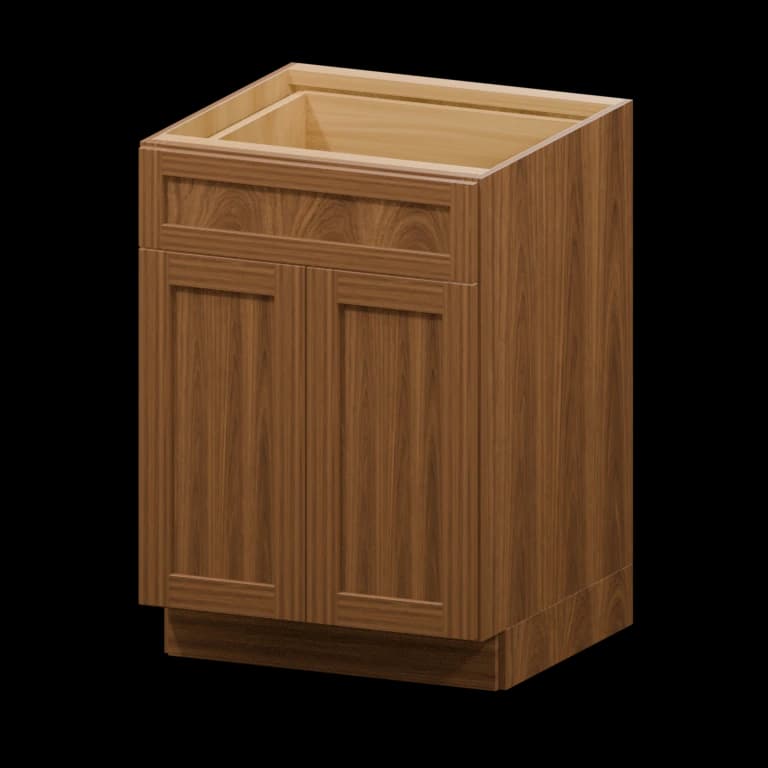
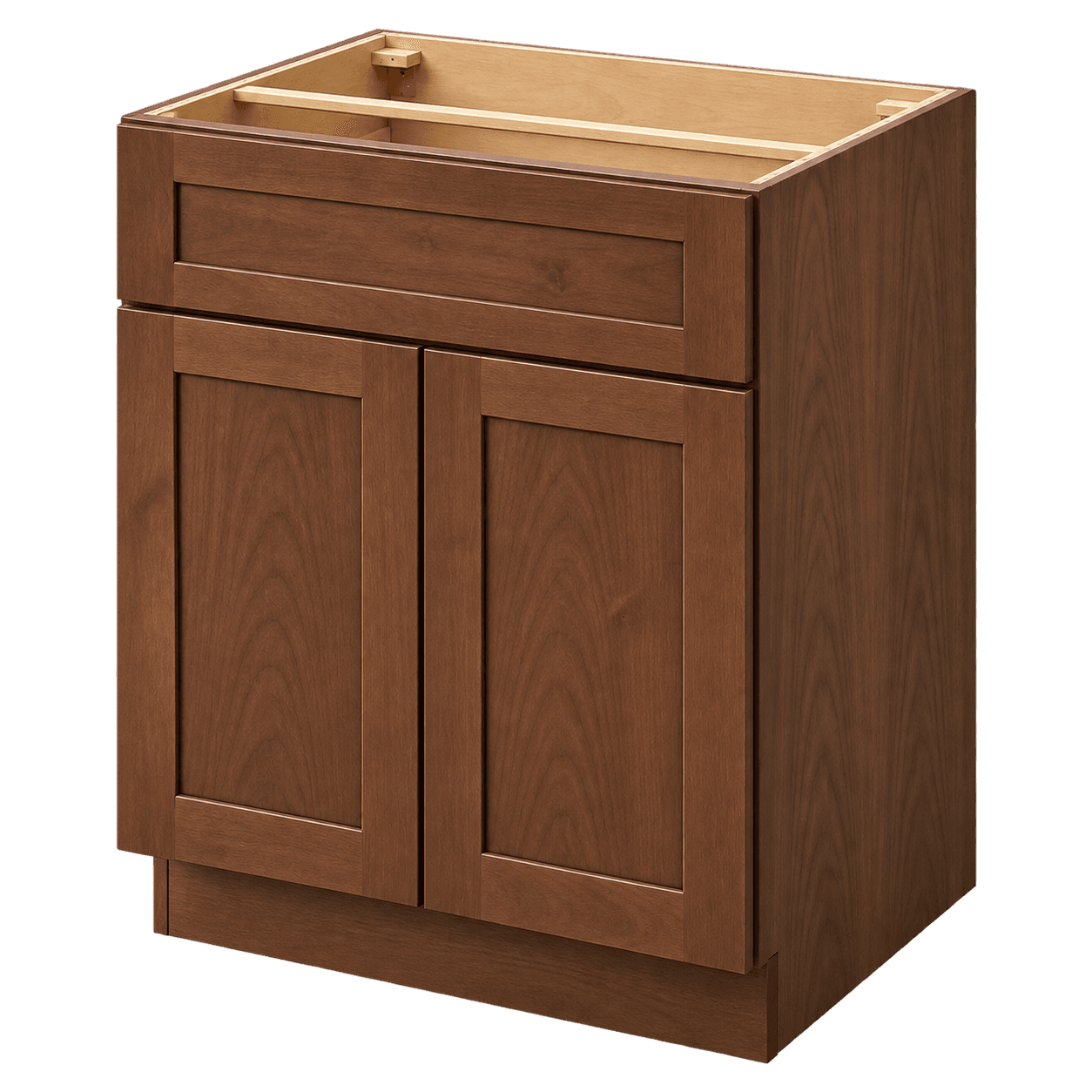 Walnut
framed cabinets
Classic Shaker fronts with more of the face frame showing between doors.
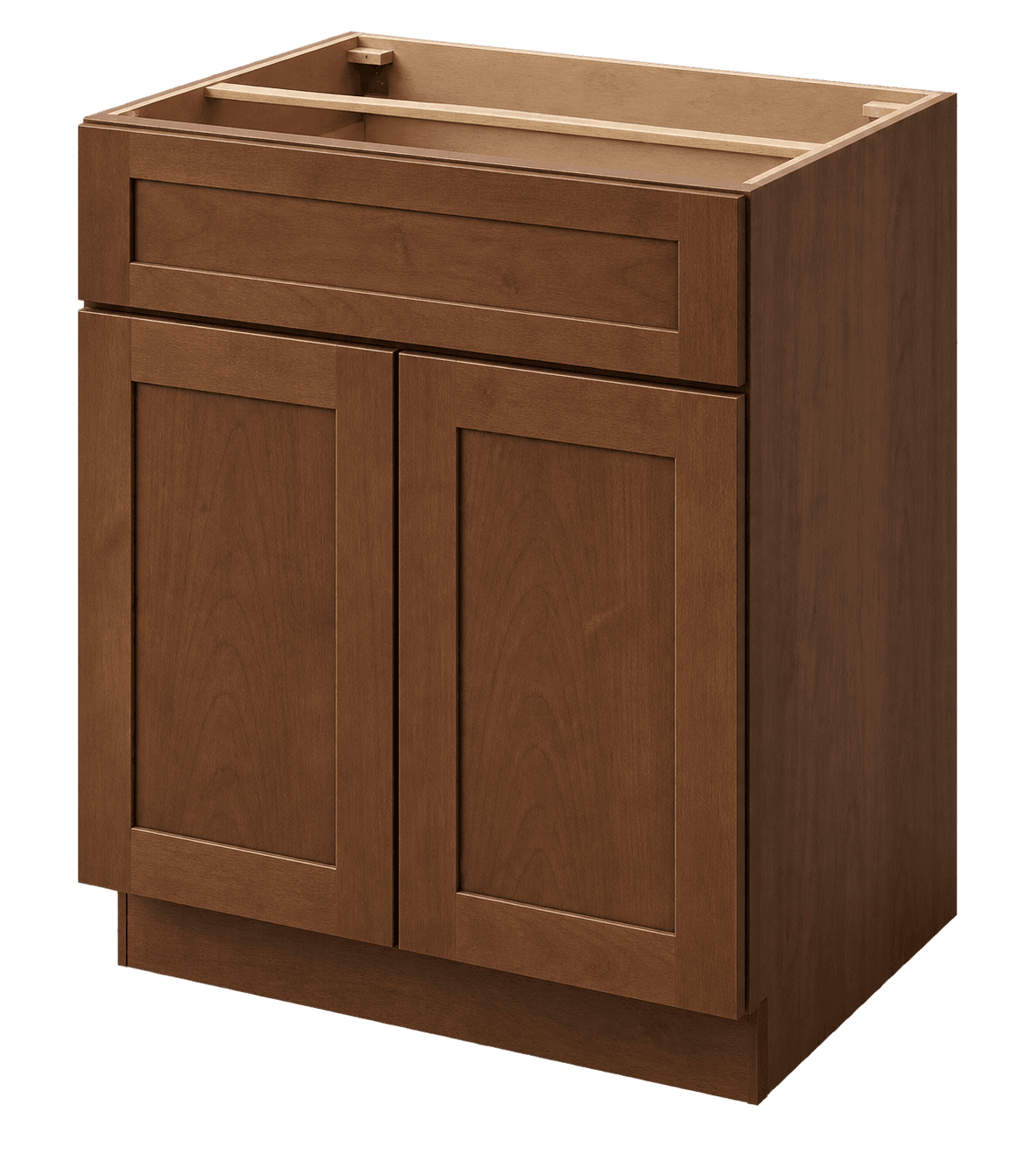
 Walnut
framed cabinets
Full-overlay Shaker fronts for a closer, more continuous cabinet face.
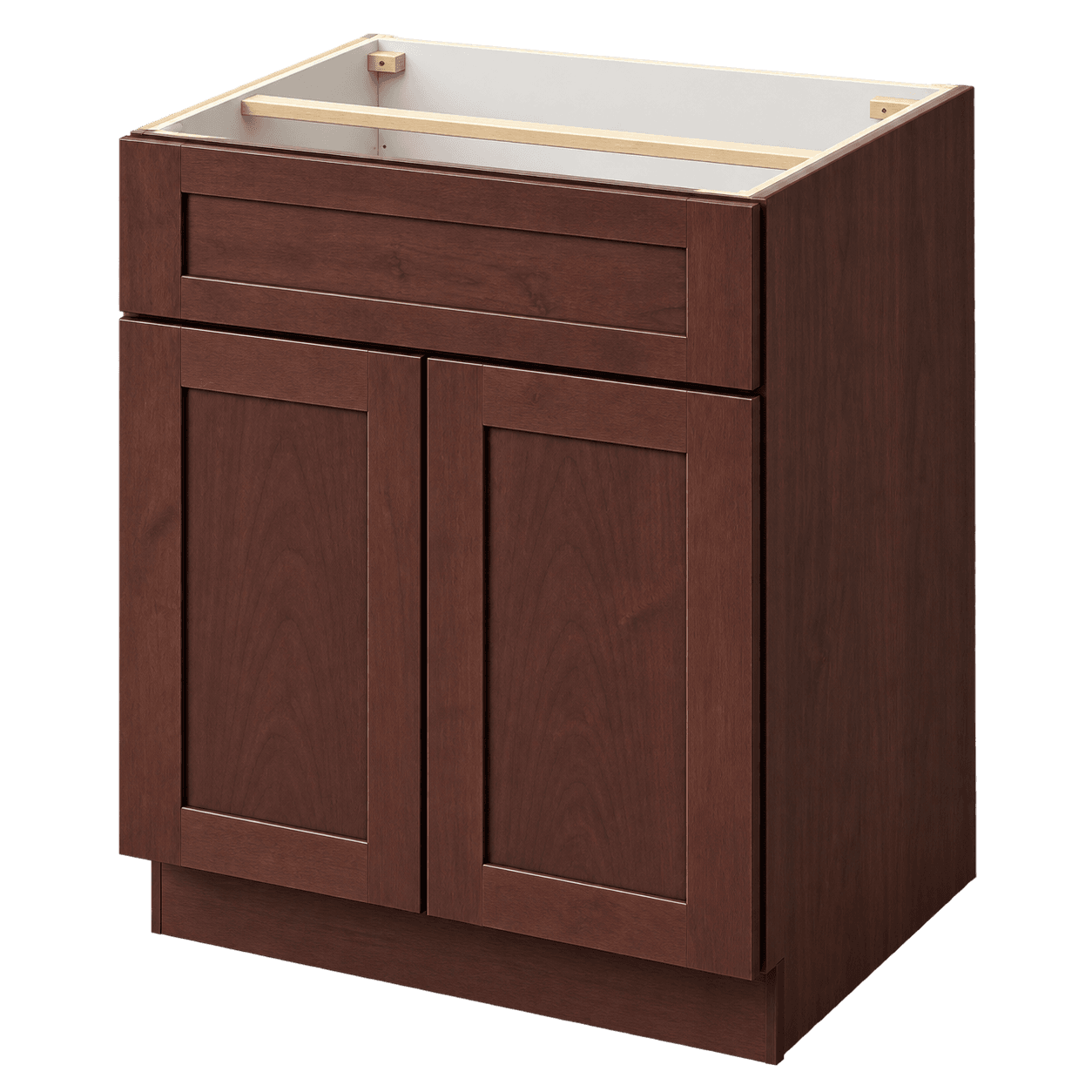
 Walnut
framed cabinets
Full-overlay Shaker fronts paired with a hardwood plywood box and soft-close drawers.
 Praline Pine
frameless cabinets
A frameless profile with textured laminate or solid-wood front options.
 High Gloss White
frameless cabinets
High-gloss or textured fronts paired with a double-wall metal drawer system.
 Walnut Shaker
frameless cabinets
Solid-hardwood fronts bring a Shaker look to frameless construction.
Cabinet illustrations show the overall style. Confirm exact construction, exposed end panels and a physical finish sample before ordering.
The details make it yours
Warm wood, quiet neutrals or a deeper shade. Start with the room’s light, your flooring and the countertop you have in mind.
Finish choices vary by series. Compare a physical sample in your space before making the final selection.
Explore cabinet finishes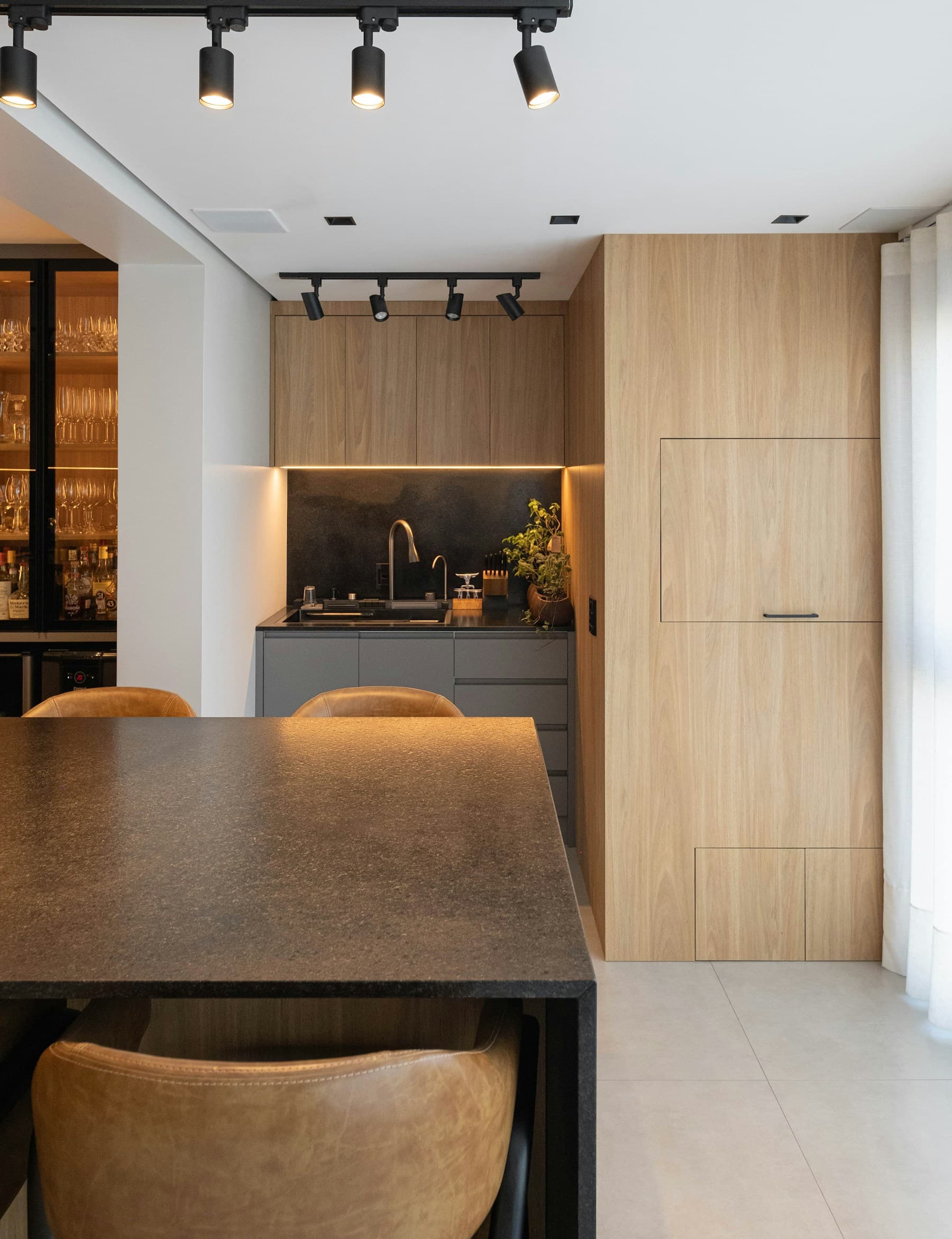
Door style, cabinet construction and finish are three separate choices. Shaker cabinets have a recessed center panel and surrounding frame; slab doors have a flat front. Both can suit a range of kitchens, depending on the finish, hardware and surrounding materials.
A framed cabinet has a face frame at the front of the box. Half-overlay doors leave more of that frame visible, while full-overlay doors cover more of it. Frameless cabinets attach doors and hardware directly to the box. Compare the actual series specifications for box material and drawer hardware—appearance alone does not tell you how a cabinet is built.
Custom cabinets are made to a project’s specific dimensions and design. Catalog cabinets use an established range of sizes, styles and finishes. Our online catalog is organized by cabinet item number and series, so you can build a coordinated layout using wall cabinets, base cabinets, tall storage and finishing pieces.
The number and size of cabinets, box construction, door material, finish and storage accessories all affect the project total. Custom work also depends on design complexity and fabrication. Compare the same room layout when reviewing options, and account for end panels, fillers, trim, freight and installation separately.
Start with accurate room measurements, check the cabinet sizes and drawings, then share the complete layout for review.
Bring your ideas together
Share your room, measurements and favorite finishes.
Build a useful cabinet plan from wall dimensions, openings, appliances, utilities, and clearances.
Compare cabinet construction, interior access, installation planning, and series selection.
A practical review sequence for item numbers, series, finished sides, accessories, and approvals.
Compare warm wood, painted colors, and contrasting finishes alongside the materials already in your room.
Framed cabinets have a face frame at the front of the box. Frameless cabinets attach doors and hardware directly to the box. Compare the selected series for its specific construction and hardware.
Do not assume they are. Verify dimensions, mounting requirements, finish and series compatibility for each accessory.
Custom cabinets are made to a project’s specific dimensions and design. Catalog cabinets use an established range of sizes, styles and finishes. CabinetsMax organizes its online catalog by item number and series so you can plan a coordinated layout.
Cabinet quantity and size, box construction, door material, finish and accessories all affect the total. Custom work also depends on design complexity and fabrication. Compare the same layout and account for panels, fillers, trim, freight and installation separately.
Use the images to narrow your choices, then review a physical sample with your flooring, countertops and room lighting before approving the finish.