In this guide
How the constructions differ
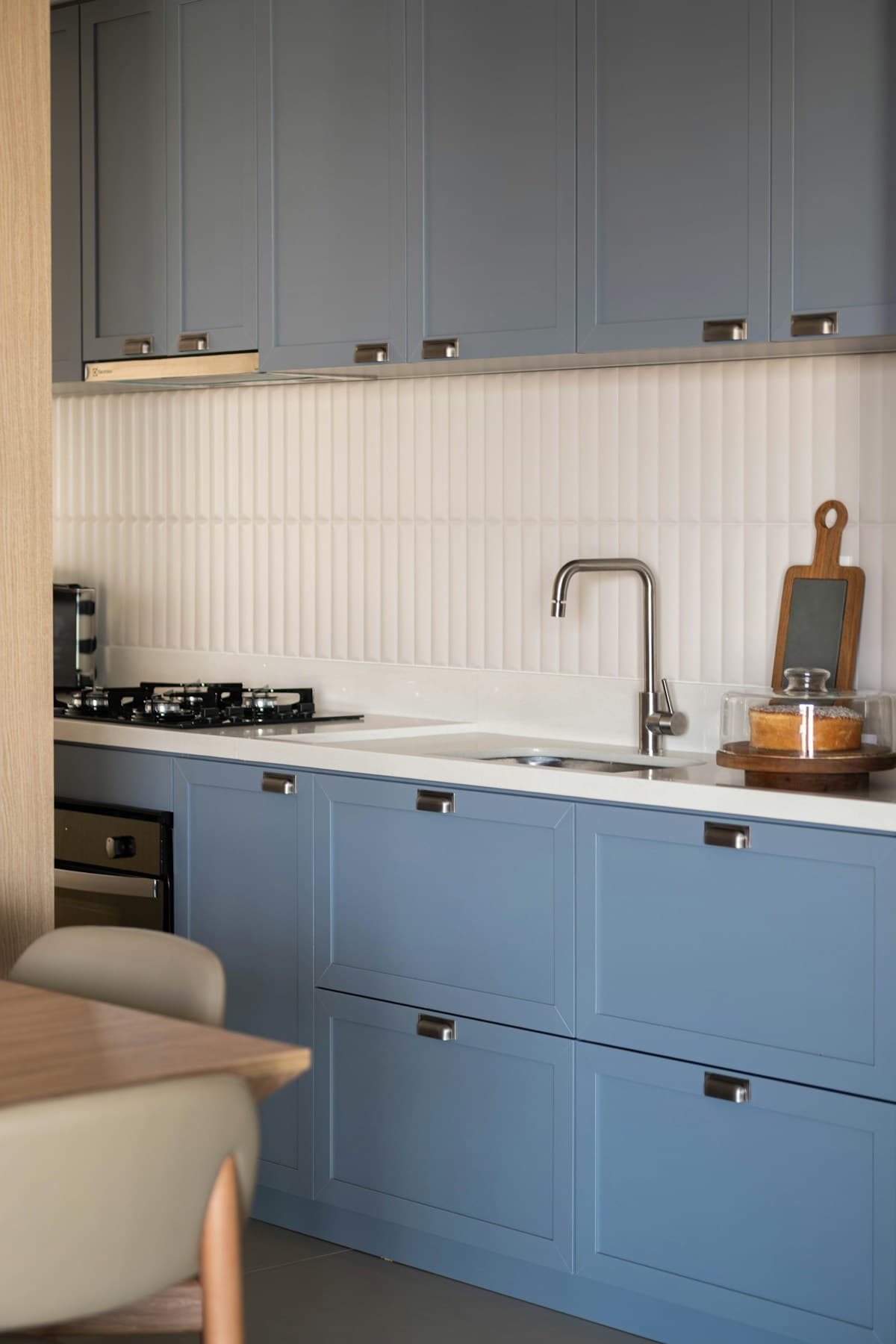
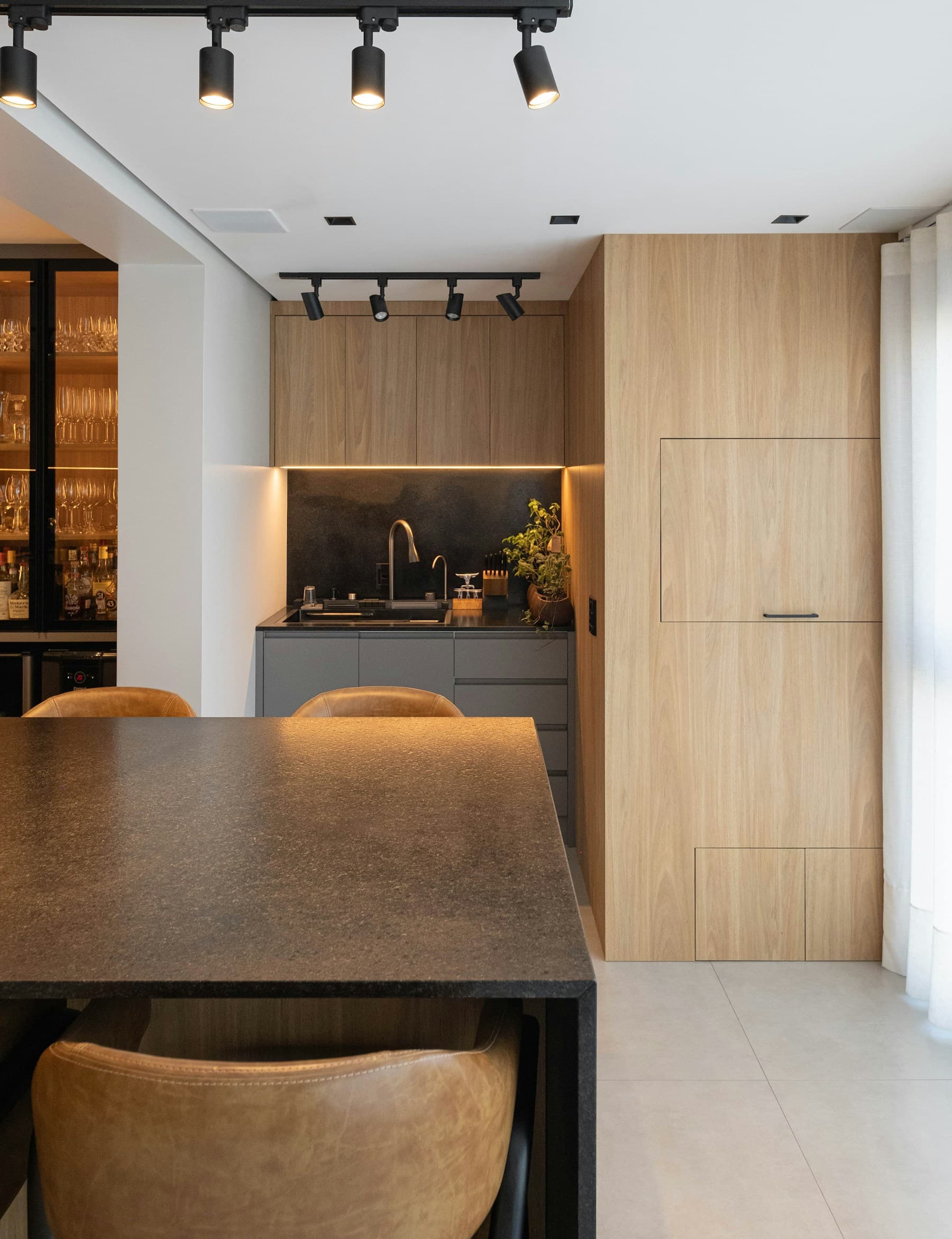
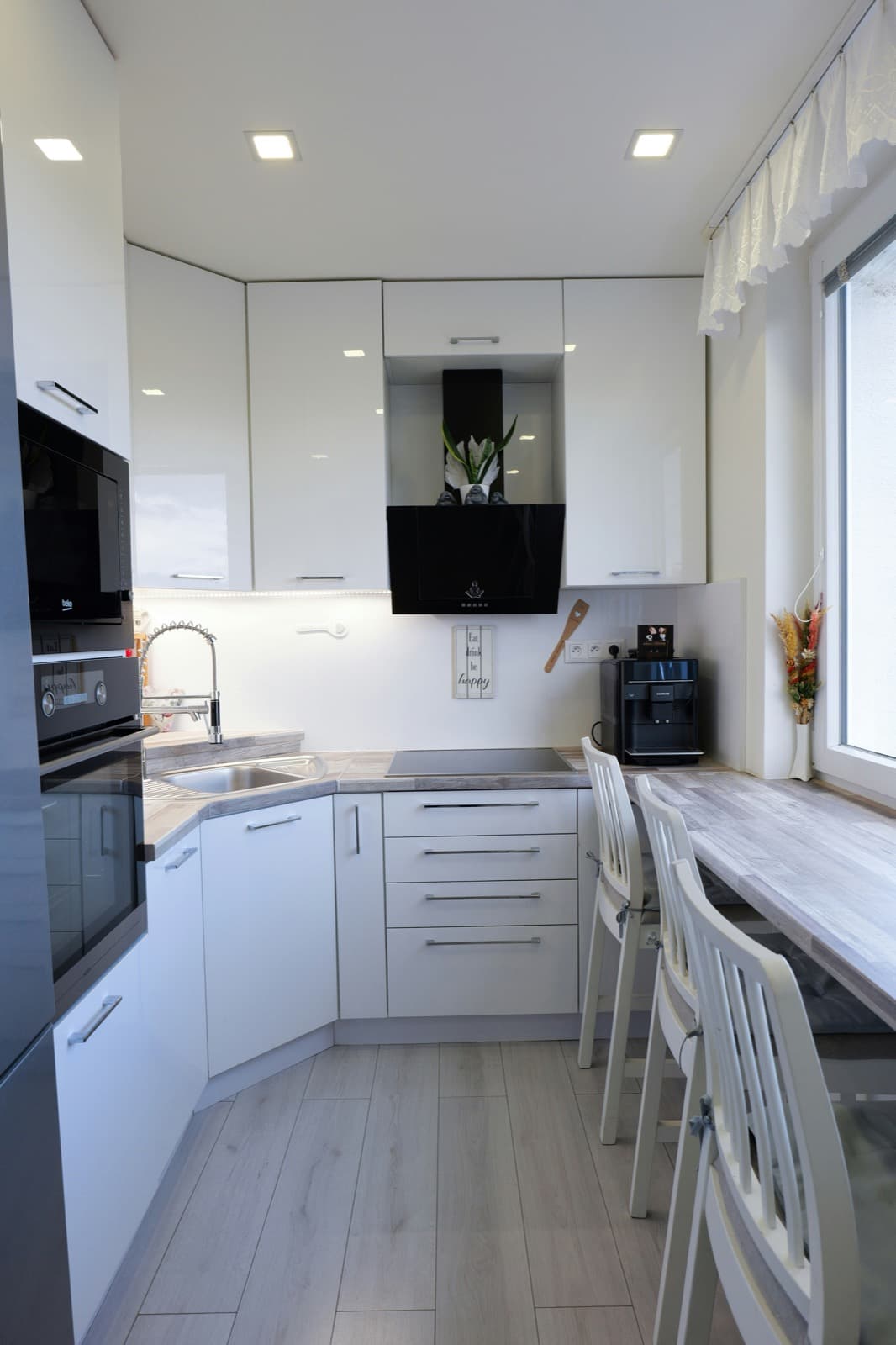
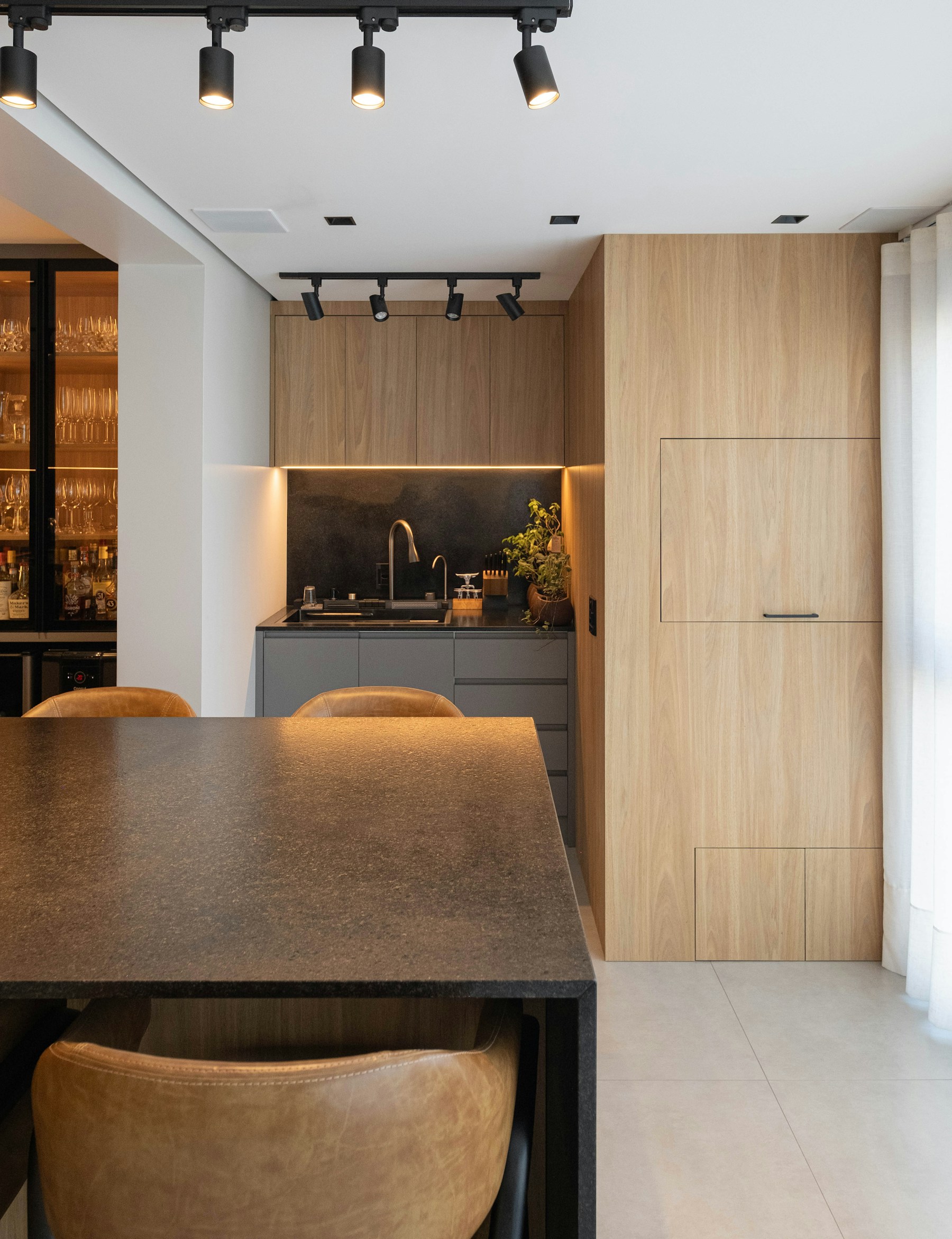
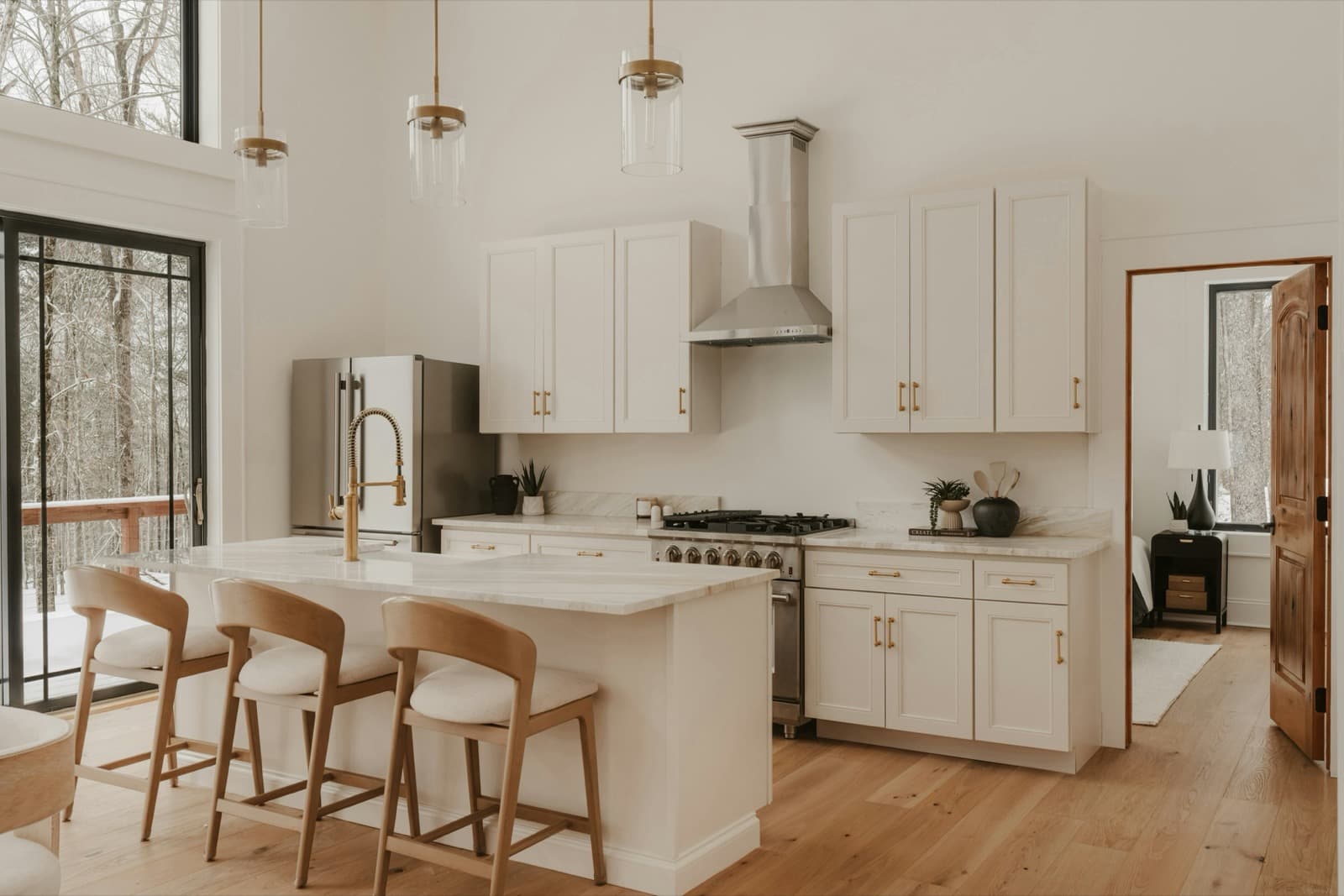
Framed cabinets add a face frame across the front of the cabinet box. Door and drawer fronts attach to or overlay that frame, creating a familiar traditional structure and defined openings. Frameless cabinets omit the face frame and attach door hardware directly to the cabinet sides.
The difference affects opening access, hinge placement, filler requirements, and visual alignment. Neither choice eliminates the need to check the room for out-of-square walls and level changes.
Plan a consistent series
Our collections include framed and frameless series. Select the construction and series before completing the cabinet list, then compare the published specifications and price for that selection.
Door appearance, available finishes, exposed sides, and matching accessories should be confirmed for the chosen series. Check the finish and cabinet configuration together so the final quote reflects the selection you want.
Separate construction from door style
Construction describes the cabinet box; door style describes the face you see. A Shaker profile or a flat front does not by itself tell you whether the box is framed or frameless. Look at the full specification for the selected series.
Compare door overlay, box materials, drawer construction, and hardware separately. A series name is a starting point for that comparison, not a complete description of every cabinet.
Check fit and access before choosing
Look at the usable opening for the items you plan to store. Compare a sample or dimensioned drawing, especially if you want an internal organizer or need access for a large appliance.
Have your installer review fillers, exposed ends, and transitions where cabinets meet walls. Choose the construction that suits the whole plan rather than treating either type as an automatic upgrade.
Ready to bring your ideas together? Explore the cabinet collection or share your measurements and plans with our team.